Curaçao Licensed Casinos UK — What the Licence Covers
Best Non GamStop Casino UK 2026
Loading...
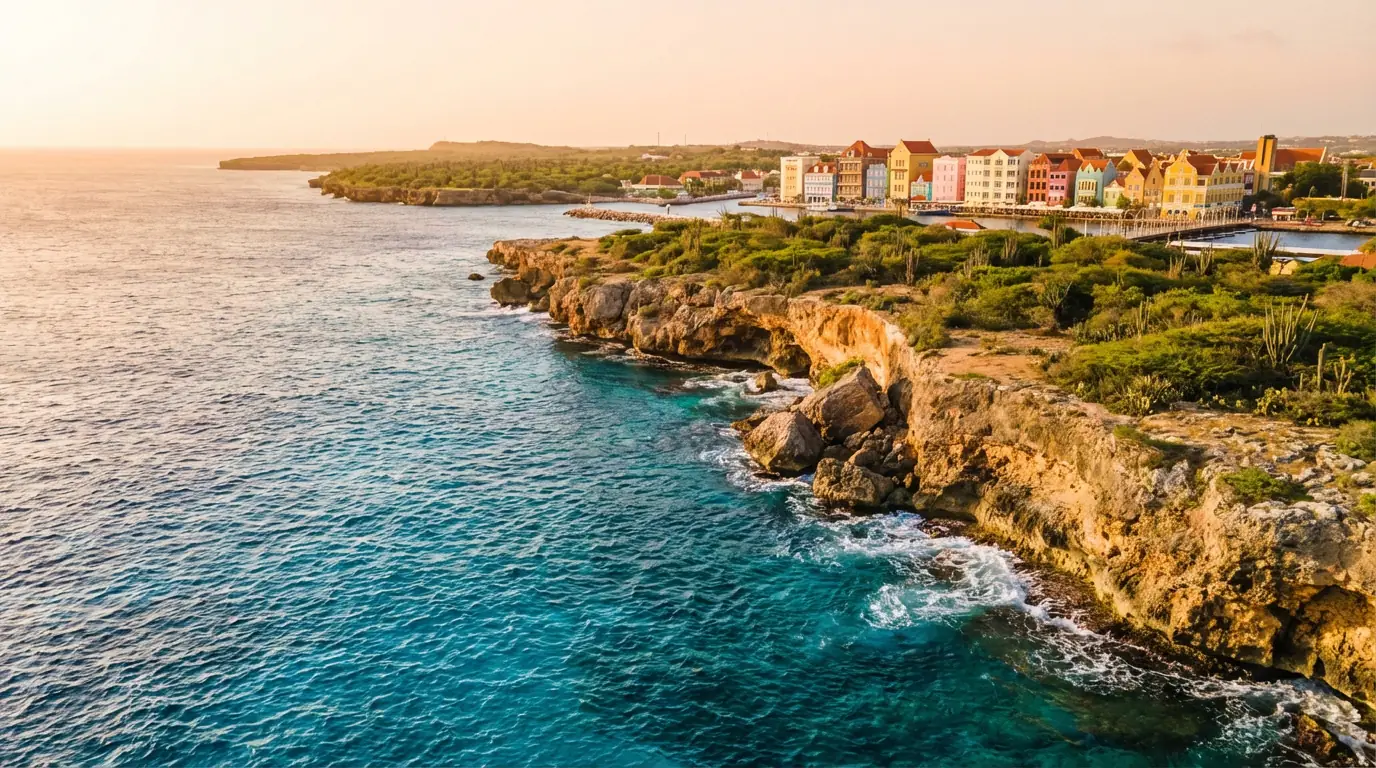
How the Curaçao eGaming Licence Works
Curaçao is a small island in the Caribbean with an outsized role in the online gambling industry. Its eGaming licensing framework, first established in 1996, has become the jurisdiction of choice for the vast majority of no-KYC casinos that accept UK players. The reason is structural: Curaçao offers a regulatory environment that permits crypto-native operations, minimal KYC requirements at the operator level, and a licensing cost that is a fraction of what the UKGC charges. For a casino that wants to operate globally with cryptocurrency as its primary payment method, Curaçao is the path of least resistance — and the most well-trodden one.
The licensing system was overhauled starting in 2023 when the Curaçao Gaming Authority was established to replace the older Gaming Control Board framework that had been criticised for years as little more than a rubber stamp. Under the previous system, a handful of master licence holders sub-licensed their authorisation to hundreds of operators, creating a daisy chain of accountability where it was often unclear who was actually responsible for a given casino’s conduct. The new framework requires each operator to hold its own licence directly from the regulator, introduces more defined compliance obligations, and establishes clearer enforcement procedures. Whether this represents a meaningful improvement or a cosmetic one is a matter of ongoing debate within the industry.
In practical terms, obtaining a Curaçao licence involves submitting a business plan, demonstrating that the operator has adequate financial resources, passing background checks on key personnel, and agreeing to comply with Curaçao’s anti-money laundering regulations. The process is faster and cheaper than a UKGC application — weeks rather than months, and licence fees in the tens of thousands rather than the hundreds of thousands. This lower barrier to entry is precisely what makes Curaçao attractive to crypto casino startups, and it is also what makes the licence less reassuring from a player protection standpoint compared to stricter jurisdictions.
For UK players, the critical thing to understand is that a Curaçao licence gives a casino legal authorisation to operate under Curaçao law. It does not give the casino authorisation to operate in the UK, it does not place the casino under UKGC jurisdiction, and it does not provide the player with access to UK-based dispute resolution mechanisms. The licence is real, but its reach has limits.
What the Licence Actually Protects (and What It Doesn’t)
A Curaçao licence requires operators to meet certain baseline standards. These include maintaining segregated player funds — keeping player balances separate from the company’s operational money — implementing anti-money laundering procedures, and ensuring that games from third-party providers are sourced from legitimate software suppliers. The regulator can, in theory, investigate complaints, audit operators, and revoke licences for non-compliance. These are genuine obligations, and legitimate Curaçao-licensed casinos take them seriously because losing the licence means losing the ability to operate.
The problem is enforcement. The Curaçao Gaming Control Board oversees hundreds of licensees with a team that is, by all available accounts, significantly smaller than the UKGC’s regulatory apparatus. The result is a system where compliance obligations exist on paper but the frequency and rigour of inspections are considerably lower than what UK players might expect from their experience with UKGC-regulated casinos. An operator that fails to segregate funds properly or delays withdrawals without justification is technically in violation of its licence conditions, but the likelihood of that violation being detected and acted upon within a timeframe that helps the affected player is uncertain at best.
What the licence does not provide is the suite of player protections that UK players may take for granted at UKGC-licensed casinos. There is no equivalent to GamStop — no centralised self-exclusion register. There is no mandatory affordability checking. There is no requirement for the operator to intervene when it detects signs of problem gambling. Dispute resolution does not run through an independent adjudicator like IBAS; it typically runs through the casino’s own customer support team, with the regulator as a distant backstop rather than an active mediator. If a Curaçao-licensed casino refuses to pay a legitimate withdrawal, the player’s practical options are limited to complaining to the regulator and hoping for a response, or naming the casino on public forums and player communities.
This does not mean the licence is worthless. A licensed operator has more to lose than an unlicensed one, and the existence of a regulatory framework — even a permissive one — creates at least some accountability. The distinction to keep in mind is between minimum standards and comprehensive protection. Curaçao delivers the former. The UKGC delivers something closer to the latter. Knowing which one you are dealing with shapes how much due diligence you need to do yourself.
Identifying Genuine Curaçao-Licensed Platforms
Claiming to hold a Curaçao licence is easy. Actually holding one is a different matter. One of the persistent issues in the no-KYC casino space is that some operators display Curaçao licence logos and numbers on their websites without actually being licensed. The old sub-licensing system made this particularly murky, because a master licence number could theoretically cover dozens of operators, and verifying the chain of authorisation required more effort than most players would invest. The 2023 regulatory reform was supposed to address this by moving to individual licences, but the transition has not eliminated the problem entirely.
The most reliable way to verify a Curaçao licence is through the Curaçao Gaming Authority’s licensing portal, which maintains a public register of licensed operators. If a casino claims to be licensed, its name or the name of its operating company should appear on this register. If it does not, treat the claim with scepticism regardless of how convincing the licence badge on the casino’s footer looks. Logos and licence numbers can be fabricated in minutes. An entry in the regulator’s official database cannot.
Beyond checking the register, there are secondary indicators that help distinguish genuinely licensed platforms from those that are merely decorated. A legitimate Curaçao-licensed casino will typically list its operating company’s full legal name, its registered address in Curaçao, and its specific licence number somewhere in its terms and conditions or legal information section. Vagueness in these details — a missing company name, a licence number that does not correspond to any entry in the public register, or a registered address that turns out to be a generic mail-forwarding service — should prompt caution.
Game provider relationships offer another layer of verification. Reputable software suppliers like Pragmatic Play, Evolution, Play’n GO, and Hacksaw Gaming conduct their own due diligence before licensing their content to an operator. A casino that features games from these providers has passed at least one additional compliance check beyond the regulator’s review. A platform running exclusively on proprietary games or games from unknown providers has not cleared that hurdle, which does not automatically make it illegitimate but does reduce the number of independent checks between the operator and the player’s money.
A Licence of Convenience — or Something More?
The phrase “licence of convenience” gets thrown around a lot in gambling industry commentary, and Curaçao is usually the jurisdiction it is aimed at. The criticism is not entirely unfair. Curaçao’s low fees, fast approval process, and permissive attitude toward crypto-native operations make it the easiest jurisdiction for a new casino to get licensed in, and the enforcement track record has historically not inspired confidence. For players accustomed to the UKGC’s approach — where operators face meaningful penalties for non-compliance and players have clear escalation paths — Curaçao looks like a regulatory environment designed more for the operator’s benefit than the player’s.
But reducing it to a convenience label ignores what the licence actually represents in the current market. For crypto casinos, Curaçao is not an alternative to the UKGC — it is the only viable option. No crypto-native, no-KYC casino has ever obtained a UKGC licence, because the UKGC’s requirements are fundamentally incompatible with the no-KYC model. Mandatory identity verification, affordability checks, and GamStop integration are conditions that cannot be met by a platform that operates on anonymous wallet-based registration. Curaçao did not become the default jurisdiction for these casinos because operators were shopping for the cheapest licence. It became the default because it is the only major jurisdiction that accommodates the crypto casino business model at all.
The 2023 reforms suggest that Curaçao is aware of its reputation problem and is making at least some effort to address it. Individual licensing, stricter AML requirements, and a more structured enforcement framework are moves in the direction of credibility, even if the pace of change is slower than critics would like. Whether these reforms will materially improve the player experience remains to be seen — regulatory change is only as good as the enforcement behind it, and enforcement requires resources that a small Caribbean island may or may not be willing to commit.
For UK players, the practical conclusion is straightforward. A Curaçao licence is better than no licence. It provides a minimum framework of accountability that unlicensed operators lack entirely. But it is not a substitute for the protections you receive at a UKGC-regulated casino, and treating it as one would be a mistake. The licence tells you that the casino has met a set of baseline requirements. What it does not tell you is how the casino will behave when things get difficult — when you submit a large withdrawal request, when you dispute a bonus term, or when your account gets flagged. That is where your own research, your own caution, and your own willingness to test the platform before committing serious funds become the protections that actually matter.