
Bonus buy slots in the UK: how they work
 Available in GB
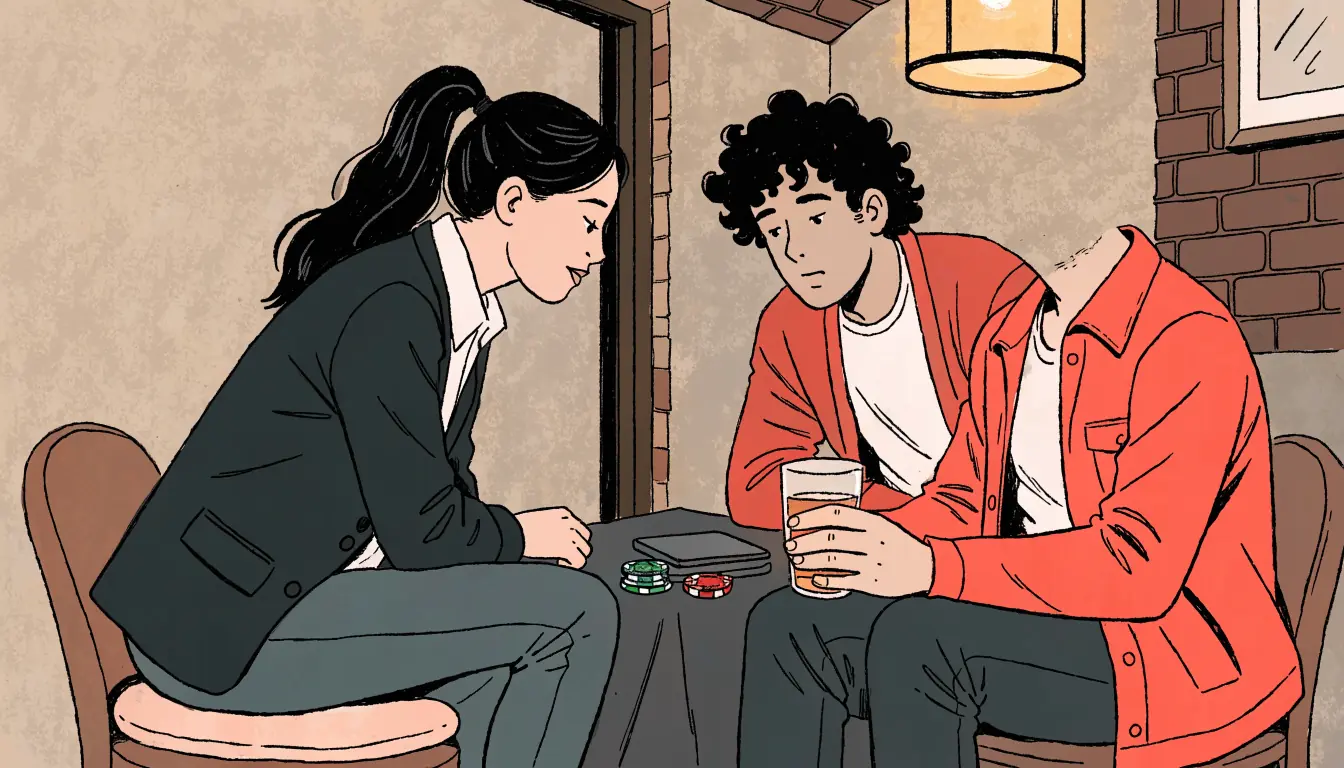
A bonus buy skips the wait for an in-game trigger, but the feature’s outcome remains uncertain.
What a Bonus Buy Changes Inside a Slot
A bonus buy is a slot option that lets you pay for access to a bonus feature instead of waiting for that feature to appear during ordinary spins. That is the basic idea behind the phrase. You are not changing the reels themselves into a different game; you are changing how the session reaches one of its possible stages.
On a normal spin, you place your stake and let the game run. The bonus round, if the slot has one, may arrive through a particular symbol combination or another in-game trigger. With a bonus-buy function, the game may present a separate choice: continue with regular spins, or use the available option to enter the bonus feature directly. The exact arrangement belongs to the individual slot.
That distinction matters. “Buy the bonus” sounds like a shortcut, but it is not a shortcut to a guaranteed win. It is a shortcut to a particular part of the game. I have made the mistake of treating those as the same thing. They are not. The feature may contain multipliers, free spins, special symbols or another rule set, yet none of those elements turns the outcome into a known result.
Best Progressive Jackpot Slots: How They Work
A slot is still built around its normal mechanics. Reels stop in combinations, symbols are assessed according to the game’s pay rules, and the result of each game cycle is determined by the slot’s design and random outcome. The bonus-buy choice sits on top of that structure. It does not remove chance simply because the player has paid to reach a bonus round.
The reel layout can also be less mysterious than the advertising language suggests. A five-reel slot may let you place one stake that covers all five reels, with the resulting symbols then judged together under the game’s payline or ways-to-win rules. That arrangement tells you about the machine’s structure; it does not tell you whether the slot includes a bonus buy. Reel count and a buy option are separate characteristics.
This is where I slow down when looking at a bonus-buy slot in the UK. The label alone does not establish what the option costs, whether the option is available in the version offered to you, or what the feature might return. Those details can vary with the game, the platform and the rules shown at the time. A page using “best” or “buy bonus” in its description is not evidence that one particular choice will suit your budget or produce a better result.
Casino Games: Slots, Live Tables and More
The same caution applies to claims about value. A bonus buy can alter the route through a game, but it does not turn a slot into a favourable investment. Where a game has a positive house edge, its mathematical expectation is negative over a sufficiently long run of sessions. That remains true whether losses arrive gradually through ordinary spins or appear in a rougher pattern after buying access to a feature.
That sentence is less exciting than “instant bonus”, but it is the part worth remembering. A buy option can make a session feel more concentrated because you are choosing the bonus stage rather than waiting for it. It can also make the money move differently from a session based only on standard spins. Neither experience changes the underlying disadvantage built into a real-money slot.
I also avoid assuming that a bonus feature has one universal shape. In one game, it might involve free spins. In another, it might use pick-and-win choices, expanding symbols, multipliers or a special reel arrangement. Even when two games use similar words, their rules can be different. The displayed instructions are more useful than the promotional name.
For that reason, I would read the game information before treating a bonus buy as part of my plan. I want to know what the feature actually does, which stake the game applies, and whether the option is visibly available in the version I am using. If those details are unclear, the phrase tells me very little.
There is another practical boundary here. A bonus-buy slot is not automatically a real-money slot merely because the interface displays a purchase button. The same title may be presented in different settings, and the meaning of the on-screen balance depends on where and how it is being played. A simulated balance is not cash, and a feature reached in a non-cash setting does not demonstrate what a real-money session will return.
I have found that separating the mechanics from the sales pitch makes the whole subject easier. First ask what changes: access to a bonus stage. Then ask what does not change: the slot remains a chance-based game with its own rules and house edge. Finally, treat price, availability and possible returns as separate details to check rather than filling the gaps with assumptions.
Fast-Payout Online Casinos in the UK: What to Check
That is the useful starting point for UK players looking at bonus-buy slots: understand the switch in game flow, but do not mistake it for a promise. A different route through the reels is still a gamble. Short version: access is not advantage.
Bonus-Buy Slots at UK Casinos: Check the Licence First
When I first looked for bonus-buy slots, I treated the game and the casino as if they were the same thing. They are not. A bonus-buy option belongs to the slot itself, while the casino is the business that makes the game available to you, takes your stake and operates the gambling account.
That distinction matters in Britain. A slot can be designed with a feature that lets you enter a bonus round directly, but that does not tell you whether a particular online casino offers the game to its customers. It also says nothing about the operator’s legal status. The game and the place offering it need checking separately.
The casino and the game are different parts of the arrangement
Think of a slot provider as producing the game software and the casino as providing the customer-facing service. The casino decides which games appear in its lobby, which customers it accepts and how the account is operated. A title being associated with a bonus-buy feature does not automatically make it available at every UK-facing casino.
That is where descriptions such as “casino with bonus buy” can become slippery. The phrase may refer to a casino that lists games with this option, rather than a special type of casino licence or a separate casino product. “Bonus buy” sounds like a category. In practice, it is a feature attached to particular games, subject to the way the operator offers them.
I have made the mistake of seeing a familiar game promoted on one site and assuming it would be present on another. That assumption is not a safe shortcut. Availability can differ between operators, and the casino remains responsible for the gambling service it provides.
Video Slots in the UK: How the Games Work
Who regulates commercial gambling in Great Britain?
The UK Gambling Commission is the regulator responsible for commercial gambling in Great Britain. Its remit covers online casino activity as well as other forms of gambling. For remote gambling offered to people in Great Britain, the relevant regulatory responsibility does not move abroad simply because important equipment or part of the business is located elsewhere.
That point is easy to miss when a website presents itself as an international casino. The physical location mentioned on a webpage does not, by itself, answer whether the operator is authorised to sell remote gambling to consumers in Great Britain. For commercial gambling in Great Britain, the Gambling Commission is the sole regulator.
The Gambling Act 2005 provides the main statutory framework for gambling in England, Wales and Scotland. Northern Ireland is outside that Act’s coverage, so it should not be casually treated as part of the same legal arrangement. For a player in Great Britain, though, the key practical question is whether the business offering the online gambling holds the required Gambling Commission authorisation.
Online Slot Payout Percentages and What They Mean
Operating licences belong to businesses
An operating licence is issued to the business running the gambling service. That is the licence relevant to an online casino offering real-money play to customers in Great Britain. It is not a certificate attached to an individual slot, and it is not created merely because the website displays well-known game titles.
This is the check I would make before spending time comparing a casino’s game lobby. Find the operator’s legal identity and compare it with the entry on the UK Gambling Commission’s public register. A logo, a footer statement or a polished review page is not the same as confirming the business in the register.
The licence is about the operator’s permission to conduct the gambling activity. It does not prove that every game has a bonus-buy option, that every advertised title is currently available to every customer or that a particular feature will suit your session. Those are separate questions. Keeping them separate prevents a lot of marketing language from doing the thinking for you.
Personal licences cover individuals
The regulatory structure also includes personal licences. These are issued to individuals who perform relevant operational roles in gambling businesses, rather than to the company as a whole. In simple terms, the business needs its operating authorisation, while people carrying out certain operating functions may need personal authorisation.
DO
- Check the operator’s identity on the UK Gambling Commission register.
- Use free demo mode to inspect game mechanics and rules.
- Read the game information panel and paytable carefully.
DON’T
- Assume a bonus buy feature guarantees a win.
- Treat a rising demo balance as a forecast for real money.
- Assume a casino is licensed just because it displays popular games.
That difference explains why “licensed casino” should not be read as meaning that one unnamed person has personally licensed the entire website. The company and the individuals involved can fall under different parts of the licensing system. The Gambling Commission deals with both categories: operating licences for businesses and personal licences for individuals operating in Great Britain.
I find this less confusing when I picture two checks instead of one. First, is the business authorised to offer the gambling service? Second, are the relevant people working in regulated operational roles covered by the personal-licensing requirements? A slot’s bonus-buy button answers neither question.
What to check before depositing
For a UK casino offering online slots, I would keep the order straightforward:
- Identify the business behind the website.
- Check that business against the UK Gambling Commission’s public register.
- Confirm that the authorisation relates to the gambling service being offered to customers in Great Britain.
- Only then look at whether the casino lists the particular slot or feature you want.
This approach is deliberately less exciting than a page promising a “best” casino with bonus buy. That is the point. A game feature can make a slot worth investigating, but it should not distract from checking who is offering it. The licence comes first.
Our top casino picks for the UK
- JetsetspinsBonus: 200% Bonus + 100 Free Spins + Free Royal Wheel · Payout speed: 1-3 business days
- SlotoSportBonus: 500% up to £ 10 200+ 777 FS · Payout speed: 1-3 business days
- ChanzeBonus: Slots Welcome Bonus #1 200% up to €500 · Payout speed: 1-3 business days
- Revery PlayBonus: 100% up to€1,000+ 100 FS · Payout speed: 1-3 business days
- SpinFormulaBonus: 550% Up To £15,000 + 550 FS · Payout speed: 1-3 business days
- DieselwinBonus: Welcome Pack 250% up to £4000 + 200 FS · Payout speed: 1-3 business days
Trying Bonus-Buy Slots in Free Demo Mode
Free demo mode is the cleanest way I know to look at a bonus-buy slot without putting real money into the session. You receive a balance of virtual credits, not cash. Those credits have no monetary value, cannot be withdrawn and do not turn into a payment if the reels produce a large win. The game may look like a real-money slot, but the balance is only there to keep the demonstration running.
That distinction matters. I have made the mistake of treating a good-looking demo result as a useful sign of what might happen later. It is not. A demo round can show you how the slot presents its reels, symbols, paytable and bonus feature, but it cannot tell you what a real-money session will return.
What demo mode lets you inspect
The main benefit is familiarity. You can take your time looking through the game information instead of trying to read it while money is leaving your balance. That can include:
- the reel layout and available symbols;
- the way wins are displayed;
- the wording used for the bonus-buy feature;
- the cost shown by the game, where the demo provides that information;
- the appearance and pace of a bonus round;
- any choices presented before or during the feature.
This is useful because “buy the bonus” can sound straightforward while the actual screen may contain several conditions or choices. A free session gives you room to notice them. You can also see whether the design feels readable or cluttered, whether the animations slow the game down for you and whether you understand what is happening before considering real-money play.
I tend to stop and read the paytable first. That habit would have saved me from guessing what certain symbols did and then blaming the slot for my own lack of attention. Demo mode is good for that kind of basic homework.
What the virtual balance does not mean
A rising demo balance is not evidence that the slot is generous. A falling balance is not proof that a real-money session would immediately go the same way. The results are individual game outcomes, not a forecast.
The same applies to the bonus feature. Seeing it arrive in a demo does not establish how often it will appear with real stakes. Seeing a large virtual win does not establish that a comparable real-money win is likely. Even a long run of demo spins cannot turn entertainment into a reliable prediction.
The mathematical position also remains important: where a game has a positive house edge, its expected result is negative over enough sessions. The fact that losses arrive gradually rather than all at once does not change that underlying expectation. Free play removes the financial loss from the demonstration, but it does not reverse the game’s mathematics.
So I use a demo for observation, not forecasting. It can help you decide whether you understand the slot and whether you actually like its presentation. It cannot tell you what your bank balance will look like after playing for real. Different question. Different evidence.
What “Buying the Bonus” Means for Your Session
A bonus buy slot is a game that lets you pay for direct access to a bonus feature instead of waiting for the ordinary base-game play to trigger it. That is the simple meaning behind “buying the bonus”. You are not buying a guaranteed cash prize, and you are not changing the mathematics of the game into something safer. You are choosing a different route into one part of the slot.
Understanding the switch
Access to a bonus stage is a change in game flow, not a promise of advantage.
That distinction matters. I have made the mistake of treating the buy option like a shortcut to the interesting bit, as if skipping the reels also skipped the uncertainty. It does not. The result of the bonus round still depends on the game’s rules, symbols and random outcomes. The feature can produce a strong result, a weak result or something in between. No certainty comes with pressing the tempting button.
The buy option also changes the shape of a session. Without it, you may spend time in the base game before seeing the bonus feature. With it, the session can move straight towards the more dramatic part of the slot. That may feel more active, but it can also make results arrive faster. “Instant action” sounds attractive in promotional copy. In practice, it means less time between decisions and outcomes.
Volatility is useful here because it describes the pattern of results, not the quality of a game. Low-volatility slots tend to spread returns across more frequent, smaller wins. High-volatility slots tend to produce winning results less often, with the possibility of larger individual wins. Neither description tells you what the next spin or bonus round will do.
High-Volatility Slots in the UK: Payout Patterns
A low-volatility game is not obliged to win on your session. A high-volatility game is not obliged to produce a large payout. Those labels describe tendencies across many plays, not promises made to one player. I have watched a supposedly gentle game go cold and a more aggressive one produce nothing worth celebrating. The label did not protect me from either result.
The same point applies when you buy access to a bonus. A lower-volatility slot may still give an unremarkable bonus outcome, while a higher-volatility slot may deliver a modest result rather than a memorable one. Volatility cannot turn an uncertain feature into a predictable purchase.
There is also the underlying house edge. In a game with a positive house edge, the mathematical expectation for the player is negative over enough sessions, even if losses arrive gradually and occasional wins break up the pattern. A bonus buy does not remove that basic relationship. It changes how you enter the game, not who the game is designed to favour over time.
So, when I look at a buy option, I treat it as a change in session structure rather than a “best” route to profit. The useful question is not whether it guarantees the bonus I want. It cannot. The useful question is whether I understand the risk of moving directly into an uncertain feature. That is the part worth being honest about.
Which Slot Machines Have a Bonus Feature to Buy?
The short answer is: only the individual game rules can tell you. A familiar layout, a named provider or a promising-looking bonus round does not, by itself, prove that the slot includes a bonus-buy option. I have made that assumption before, mainly because the game looked like the sort of machine built around a large feature. Looks are cheap.
The clearest place to check is the game’s information panel. Look for terms such as “Bonus Buy”, “Buy Feature” or similar wording in the paytable, help screen or rules. The exact label can differ between games, and the feature may not appear on the main reels screen until the relevant information is opened. If the rules do not mention buying entry to a bonus, treat the option as unconfirmed rather than guessing from the artwork.
Checking for features
- Locate the bonus-buy option in the paytable or help screen.
- Confirm if the feature is available in your current version.
- Verify the specific cost of the purchase.
- Check if the purchase replaces or accompanies regular spins.
The slot’s basic design can provide useful context, but it is not a catalogue. Low-volatility games typically use five reels and at least twenty-five paylines. They often use fixed jackpot amounts instead of progressive pools, with bonus rounds that apply multipliers to wins already collected. Those characteristics describe a style of slot; they do not establish that the game has a purchasable bonus.
Volatility is another clue about the feel of a game, not proof of a feature. A low-volatility slot tends to spread returns across more frequent, smaller winning combinations. A high-volatility slot tends to produce wins less often, with larger results when they arrive. Either style could have a bonus feature, or neither might. The label alone cannot settle it.
I would also check whether the game rules distinguish between a normal bonus round and a paid entry option. A slot may include free spins, multipliers or another feature that is triggered through ordinary play without offering any way to enter it directly. “Bonus” does not automatically mean “bonus buy”.
Provider names and lists copied from elsewhere are not enough either. Games can be changed, withdrawn, restricted or presented differently across services, so an old description may no longer match the screen in front of you. The reliable test is the current game information attached to that particular title.
If you are comparing games, record only what the rules actually say: reel layout, paylines, volatility description and whether a buy option is explicitly listed. Keep those details separate. One describes the machine; the other confirms a specific feature. Small distinction. Useful one.
Three-Reel Slots in the UK: How They Play
Bonus Buys and Casinos Outside Gamstop: What the Facts Can Tell You
“Not on Gamstop” sounds like a useful shortcut until you ask what it actually tells you. GAMSTOP is a self-exclusion programme, while a bonus buy is a slot feature. They describe different things. One concerns a player’s access to gambling accounts; the other concerns how a particular game may be played. Putting the two phrases together does not prove that a casino offers bonus buys, that a named slot is available, or that the site is suitable for customers in Great Britain.
I have made the mistake of treating a label as a recommendation. It is not one. A casino promoted as being outside Gamstop may be operating beyond the UK regulatory system and may not hold a licence from the UK Gambling Commission. That distinction matters more than the wording used in an advert.
For gambling services offered to people in Great Britain, the location of the company’s equipment does not decide whether British regulation applies. The UK Gambling Commission oversees remote gambling supplied to those consumers, even when the important equipment is located elsewhere. A site’s own description cannot replace that check.
What to check before depositing
Do not treat “bonus buy casino not on Gamstop” as a licence category. Instead, identify the operator behind the website and look for its current entry on the UK Gambling Commission’s public register. Check that the business holds the relevant operating permission for remote gambling, rather than relying on a logo, a footer statement or an affiliate description.
Attention Do not mistake a bonus-buy feature for a guaranteed return; the underlying house edge and mathematical expectation remain the same.
That check also helps separate a real-money casino from a page that only discusses games or provides a demonstration. A bonus-buy demo can let you inspect a title without turning the website into a licensed real-money casino. The label alone says nothing about whether deposits, withdrawals or account protection are handled under the British framework.
Offshore casinos are outside the UK Gambling Commission’s system. That does not mean a player has committed an offence merely by reaching such a site, but it does mean the operator is not covered by the UKGC licensing arrangement for British gambling services. Advertising those unlicensed services to the British market is also restricted.
I would therefore avoid naming a “best” option in this category. Without a confirmed operator identity and a current register entry, there is no responsible basis for recommending one. Check the licence first, then decide whether the game itself is worth investigating. The bonus label comes later.
Finding Games to Explore, Without a Made-Up Top List
A long list of “best” online bonus-buy slots can look useful while telling you very little. A title may appear in an old article, be unavailable in the lobby you use, or be described with a feature that the current version does not offer. I have chased lists like that before. The name looked promising; finding the actual game was the hard part.
A better starting point is to treat a game name as something to check, not as a recommendation. Look for the title in the casino’s own game lobby, then open its information panel or paytable. That is where you can see the rules attached to the version available to you. A result from a review page may still be useful for discovering a name, but it should not replace checking the live game information.
A short name to investigate
- Golden Sevens
That is an invitation to inspect the title, not a claim that it includes a bonus-buy option or is currently offered by a particular casino. Availability can vary between operators and can change over time. The label alone proves neither the feature nor the route to play it.
When comparing newly released or newly noticed titles, keep the description precise. “New” might mean recently added to one casino’s lobby rather than newly launched everywhere. “Bonus buy” might describe a selectable feature in one version, while another version presents only the base game. A familiar name does not remove the need to read the game information.
I also avoid ranking games by language such as “hot”, “guaranteed” or “best paying”. Those words describe advertising, not a dependable result. Every game with a positive house edge has a negative mathematical expectation over enough sessions, even when losses arrive slowly and the occasional win makes the balance look healthier for a while. That is the bit promotional lists tend to leave in the small print.
For a practical shortlist, record the exact title as displayed, the casino where you found it, and the rules shown in the game panel. Check again if you return later rather than assuming the same version is still there. If a page gives a name but no clear game information, treat it as a lead and move on carefully.
Final conclusions
- A bonus buy is a shortcut to a feature, not a shortcut to a win.
- Always verify a casino’s licence through the UK Gambling Commission register.
- Use demo mode for observation and familiarity, not for predicting results.
- Volatility describes the pattern of returns, not the quality of the game.
A shorter, checked list beats a crowded catalogue. Much less noise.
How to Use a Bonus-Buy Option on a Slot
Using a bonus-buy option starts with checking what the slot actually offers, rather than assuming every game handles it in the same way. I open the game’s information panel or paytable first and look for a section describing bonus features. That is where the machine should explain whether the option exists, which bonus round it relates to, and any conditions attached to selecting it.
The next decision is the stake. A slot may let you adjust the value of a spin before you enter the bonus feature, while another may show a separate amount for the purchase. Do not treat the displayed cost as a shortcut to a better result. It is simply the amount the game asks you to commit for that particular feature. I check the figure carefully, especially after changing the normal stake.
Reel layout can also affect how the game feels. A 5 reel slot game may accept a bet covering all five reels, but that does not tell you whether it has a bonus-buy facility. Reel count, paylines and the presence of bonus symbols are separate details. I learned that one the irritating way: I saw a familiar-looking layout and assumed the feature would work as expected. It did not.
Before confirming anything, make sure you know whether the purchase replaces the ordinary spin or starts the bonus immediately. Some machines may present the choice alongside the regular game, while others may place it in a dedicated feature menu. I will not pretend there is one universal button sequence. The labels, menus and confirmation screens belong to the individual game.
The useful pause comes just before the final confirmation:
- Is the selected bonus clearly identified?
- Is the stake still the amount you intended?
- Does the game show the full cost before acceptance?
- Are you comfortable losing that amount if the feature produces little or nothing?
That last point matters more than the animation that follows. A bonus buy changes how you enter a round; it does not remove the slot’s house edge. Where a game has a positive house edge, its mathematical expectation remains negative over enough sessions, whether losses arrive gradually or in sharp bursts.
I also avoid clicking repeatedly when a screen seems slow to respond. A delayed display is a reason to wait and check the account history, not a reason to assume the purchase failed and try again. Boring, but safer.
Free Demo Play: What It Can—and Cannot—Show You
A free demo is useful when you treat it as a viewing window, not a rehearsal for a real-money session. The balance on screen is fake, and any win is only part of the demonstration. No payout is awarded. Nothing is transferred to you, and a growing demo balance does not become withdrawable money later.
I use demo play to inspect how a game behaves on screen before deciding whether I even like it. The reels, symbols, paylines, sound, animations and menus are there to examine. You can see how clearly the game explains a feature, whether the pace feels comfortable, and whether the layout makes sense on your phone or computer. Those are practical details that advertising tends to skip.
A demo may also let you see whether a bonus-buy control is presented in the game interface. That tells you something about the design: where the option appears, what information is displayed and whether the game explains the choice clearly. It does not turn the demo into a real-money version, and it does not establish that the same option will be available wherever you later find the game.
Best RTP Casino Slots UK: How to Read the Numbers
The biggest trap is reading too much into the results. A run of wins in free play does not show what a real-money session will return. Nor does a run of losing spins prove that the game is somehow due a win. The demo gives you a way to observe the game’s presentation and mechanics; it cannot predict the next result or convert entertainment into evidence of profit.
I made that mistake myself. A demo session felt generous, so I treated it like a preview of what would happen with money attached. It was not. The change from pretend credits to real stakes changes the meaning of every result, even though the reels may look identical.
There is also a wider mathematical point. Any game with a positive house edge has a negative expectation over enough sessions, whether losses arrive gradually or in harsher patches. Demo play cannot remove that underlying disadvantage; it simply removes financial exposure while you inspect the game.
So use free play to check clarity, presentation and whether the bonus-buy interface makes sense to you. Use it for observation. Not forecasting.
The Bonus-Buy Feature, Volatility and the Cost of a Session
A bonus-buy feature can change the shape of a slot session, even before you think about whether you like the game itself. It gives you a way to reach a bonus round directly, where that option is offered. That can make the balance move differently from ordinary base-game play. It does not make the underlying mathematics disappear.
The useful word here is volatility. It describes how a game tends to distribute its wins, not whether your next spin will win.
High-RTP Slots in the UK: What RTP Can Tell You
Low-volatility slots spread returns across more frequent, smaller wins. High-volatility slots tend to produce wins less often, with larger amounts appearing less regularly. Those are patterns across play, not promises attached to an individual session. I have had quiet spells on games described as gentle, and sudden swings on games expected to be more dramatic. A label is a guide to the character of the game, not a forecast.
That matters when you use a buy bonus feature. A direct route to a bonus can make the session feel more concentrated because you are choosing to enter a particular part of the game rather than waiting through the base play. With a low-volatility slot, the surrounding session may feel more active because smaller wins occur more often. With a high-volatility slot, the balance can feel less forgiving between significant events. Neither description tells you what will happen next.
The cost of a session is therefore more than the amount attached to one decision. It is the total of the choices you make while continuing to play. Repeating a feature purchase, increasing stakes, or trying to recover a losing run can all extend that cost. I have made the classic mistake of treating a near miss as a reason to carry on. It was only a near miss.
There is also a blunt mathematical point. Any game with a positive house edge has a negative expectation over enough sessions. That remains true whether losses arrive gradually through frequent small setbacks or in sharper drops separated by occasional wins. Volatility changes the ride; it does not turn a disadvantage into an advantage.
So when assessing a bonus-buy feature slot, I would separate two questions: how the game distributes outcomes, and how much session spending I am prepared to accept. The first describes the experience. The second is the boundary that keeps the experience from running away.